

The Concept of Luck in Gambling
Luck is often regarded as an inherent trait in the gambling world, casting a significant shadow over the players’ experiences. In casinos, luck can alter the outcome of games in an instant. Many players believe that luck is a factor that goes beyond skill and strategy, making it seem as though some individuals are simply ‘born lucky’ while others are not. This notion fuels the desire to play, especially when exploring online pokies australia real money games that seem to promise big wins, as people often chase that elusive winning streak that seems to be determined by fate.
However, luck is not an easily definable concept. In many games, such as slot machines or roulette, luck plays a predominant role; the outcome is largely based on random chance rather than player skill. Yet, in games like poker, while luck does play a part, players can significantly influence the outcome through their decisions, strategies, and abilities to read opponents. This complex interaction between luck and skill adds layers to the gambling experience, often leading to heated debates among players.
Understanding the role of luck does not diminish the excitement of gambling; instead, it enhances the thrill. The unpredictability of outcomes keeps players engaged, as each roll of the dice or spin of the wheel carries the potential for a life-changing win. Recognizing that while luck can affect the experience, having a solid strategy and understanding the games can create a balanced approach to casino play, leading to a more enriching experience overall.
The Psychological Aspect of Luck
The psychological implications of luck in gambling are profound. Many players cultivate a belief in lucky charms or rituals that they feel enhance their chances of winning. This can manifest in various ways, from wearing specific clothing to engaging in repetitive behaviors before taking a chance. These actions can offer players a sense of control over their luck, which can be particularly comforting in an environment where uncertainty reigns supreme.
Moreover, the perceived influence of luck can lead to a phenomenon known as the “gambler’s fallacy,” where players believe that past outcomes will influence future results. For example, a player might think that a slot machine that hasn’t paid out for a while is “due” for a win. This belief can influence betting behavior and increase the amount of money spent chasing elusive wins, often leading to a cycle of desperation and disappointment.

The interplay between luck and psychology highlights the emotional rollercoaster that gambling can entail. Players may experience heightened emotions during winning streaks and deep despair during losses, all while attributing these outcomes to luck. This psychological perspective is essential when considering how individuals engage with casinos, as it shapes their expectations and overall experiences during gameplay.
Strategies to Enhance Your Casino Experience
While luck plays a significant role in gambling, players can adopt various strategies to improve their overall casino experience. Understanding the odds and employing smart betting strategies can mitigate some of the randomness associated with luck. For instance, seasoned players often take the time to learn the rules of the games they play, allowing them to make informed decisions that increase their chances of winning.
Developing a bankroll management plan is another crucial strategy. By setting limits on how much money to spend and how much to risk on each game, players can enjoy their time at the casino without the stress of financial loss. Establishing these parameters shifts the focus from the outcomes, largely influenced by luck, to the enjoyment of the experience itself. Knowing when to walk away can also amplify the feelings of satisfaction and success.
Additionally, engaging with other players can enhance the casino experience. Social interactions can provide valuable insights and foster a sense of community among gamblers. Sharing tips or discussing strategies can create a more enjoyable atmosphere and reduce the solitary nature of gambling, which can sometimes feel overwhelming. Ultimately, while luck will always be a factor in gambling, personal strategies can help players navigate their experiences more effectively.
The Role of Technology and Gaming Algorithms
With the rise of online casinos and advanced gaming algorithms, the concept of luck has evolved significantly. Digital gaming platforms employ Random Number Generators (RNGs), which ensure that every spin or deal is entirely random, aiming to create a fair and unbiased gaming experience. This technology underlines the unpredictable nature of luck in online settings, reinforcing the belief that no player has an inherent advantage.
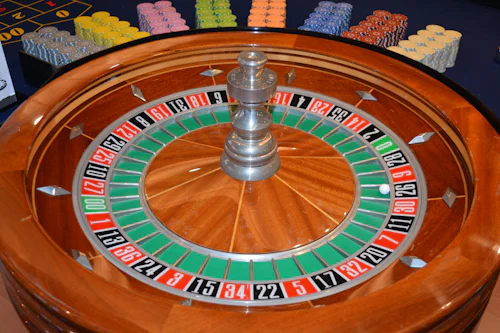
However, the reliance on technology does not negate the role of luck; it merely changes its dynamics. Players may find that their experiences can vary dramatically from one session to another, leading to a renewed focus on strategies and behaviors that can influence outcomes. While algorithms determine the randomness of games, players’ behaviors, such as the timing of their bets or the choice of games, can still reflect their personal luck. This interplay invites players to develop strategies suited for the digital age.
The integration of technology into gambling practices also allows for new forms of engagement, including live dealer games that bridge the gap between online play and the authentic casino experience. These innovations introduce unique elements of luck that players must navigate while enjoying a more immersive gaming environment. As technology continues to evolve, understanding its relationship with luck remains crucial for enhancing the overall casino experience.
Understanding Your Own Luck
Ultimately, the influence of luck on your casino experience is deeply personal. Each individual brings their perspective and beliefs about luck into the gaming environment. Some players may feel a connection to luck through personal experiences or superstitions, while others may approach gambling with a more analytical mindset. Recognizing these personal beliefs can significantly shape your overall enjoyment and satisfaction.
As you embark on your gambling journey, it is essential to maintain a balanced perspective toward luck. While it can affect game outcomes, understanding that it is just one piece of the puzzle allows for a more enjoyable experience. Instead of letting luck dictate your emotions, focus on the elements within your control, such as strategy and bankroll management, which can enhance your overall engagement and satisfaction at the casino.
In conclusion, while luck undeniably plays a role in the casino experience, it is intertwined with strategy, psychology, and technology. By recognizing the multifaceted aspects of gambling and understanding your relationship with luck, you can approach your casino visits with a renewed sense of excitement and confidence. Embracing both the chance aspect and the strategic elements will lead to a more fulfilling and dynamic gambling experience.