

The Role of Luck in Gambling
Luck is often viewed as a pivotal component in the world of gambling, particularly in casinos. Gamblers frequently attribute their wins to a stroke of luck and their losses to bad fortune. While some people believe that luck is merely a superstition, many seasoned players maintain that luck plays a significant role in choosing the best betting sites to enhance their experience. This interplay between luck and skill is crucial to understanding how outcomes unfold in various casino games. In most cases, the outcome of certain games, such as slot machines or roulette, is predominantly random, with luck determining the winner.
However, it’s essential to note that while luck can influence short-term results, it does not guarantee long-term success. Casino games often have built-in house edges, which statistically favor the establishment over time. This means that while players might experience lucky streaks, the odds eventually tilt in favor of the house. Therefore, while luck can lead to significant wins in the moment, it cannot be relied upon for consistent profitability in a casino setting.
Additionally, players often seek out strategies to enhance their likelihood of winning, suggesting that luck might not be the sole factor in gambling success. Knowing when to walk away from a game after a lucky streak can be just as important. While luck can create thrilling moments, it is vital for gamblers to remember that their fortunes can change quickly, and a balanced approach that combines luck with strategic thinking is often the best way to navigate casino experiences.
The Influence of Skill on Casino Games
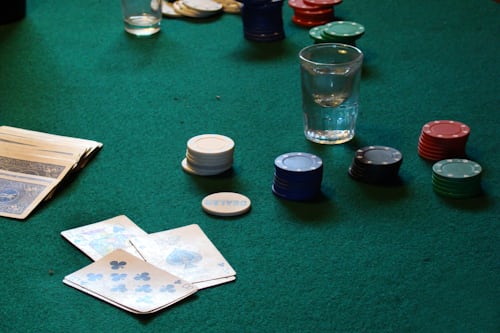
In addition to luck, skill plays a crucial role in many casino games, particularly those that require strategy and decision-making, such as poker and blackjack. Skilled players understand the rules, probabilities, and strategies that can enhance their chances of winning. For example, in poker, a player’s ability to read opponents and manage their bankroll effectively can make a considerable difference, often overshadowing the element of luck. In such games, while luck may decide the outcome of a few hands, over the long haul, skill takes precedence.
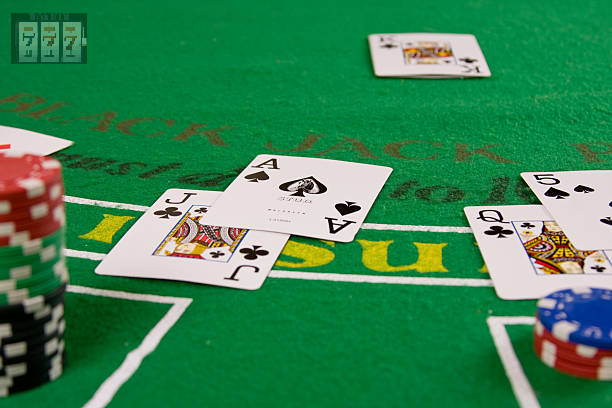
Moreover, skilled players will often employ strategies that mitigate the effects of bad luck. For instance, seasoned blackjack players might use card counting to gain an edge, allowing them to make informed decisions based on the composition of the deck. In contrast, players who rely solely on luck may find themselves at a disadvantage, as they lack the knowledge to navigate the complexities of the game. This highlights how skill can effectively complement luck, creating a more balanced approach to gambling.
Additionally, the psychological aspect of skill cannot be overlooked. Skilled gamblers often exhibit a level of emotional control and discipline that helps them manage their expectations and reactions to wins or losses. They are more likely to avoid impulsive decisions driven by a moment of good fortune. In essence, while luck can bring immediate rewards, skill is essential for sustained success in a competitive casino environment.
The Psychology Behind Gambling and Luck
The psychological factors at play in gambling environments greatly influence how players perceive luck. Many gamblers develop superstitions or rituals they believe will improve their odds, such as wearing lucky clothing or following specific routines. These behaviors stem from a fundamental human desire to find patterns and control over inherently random outcomes. The thrill of winning often leads players to remember the times they were lucky while downplaying their losses, creating a skewed perception of how luck operates within casinos.
This psychological phenomenon, known as the ‘gambler’s fallacy,’ refers to the belief that previous outcomes can affect future ones. For instance, if a player observes a losing streak on a roulette table, they may mistakenly believe that a win is ‘due’ to happen. This misconception can lead to increased risk-taking behavior and, in some cases, problematic gambling habits. Thus, while luck is a genuine factor, the psychological interpretations surrounding it can significantly influence a player’s experience and decisions.
Moreover, casinos often design their environments to enhance the illusion of luck. Bright lights, engaging sounds, and celebratory atmospheres create euphoric experiences that can keep players coming back for more. This design strategy capitalizes on the excitement of potential luck-based rewards, drawing in both casual and serious gamblers alike. Understanding these psychological influences is essential for players looking to manage their expectations and navigate their gambling habits effectively.
Can Luck Be Controlled?
Many gamblers wonder if there are ways to optimize luck or increase the chances of a lucky outcome. While luck itself cannot be controlled, certain factors can influence the perception of luck in gambling contexts. For instance, players can improve their knowledge of the games they are playing, thereby increasing their confidence and comfort level. This increased mastery can create a more positive mindset, which some might perceive as an increase in luck.
Additionally, setting limits on spending and embracing a disciplined approach can contribute to a player’s overall gambling success. By managing their bankroll effectively, players can create opportunities where they can enjoy their games without the overwhelming pressure of chasing losses or relying solely on luck. This strategic mindset allows players to make the most of any fortunate moments they encounter.
Furthermore, some believe that the more they engage in gambling, the more ‘luck’ they may attract. This notion can lead to players spending excessive time at casinos in search of that elusive lucky break. However, this mentality can backfire if players do not recognize when to take breaks or change strategies. Ultimately, while players cannot control luck itself, they can take steps to create a favorable environment for themselves, improving their overall casino experience.
Understanding Casino Strategy and Resources
For those interested in further exploring the dynamics of luck and skill in casinos, various resources are available online. Many platforms offer valuable information on game strategies, bankroll management, and psychological factors that influence gambling behavior. This knowledge can help players mitigate the role of luck by employing informed strategies that increase their chances of success in specific games.
Additionally, engaging with communities of fellow gamblers online can provide insights into different experiences and strategies, creating a shared learning ecosystem. Players can share tips, resources, and personal stories that showcase real-world applications of skill versus luck, fostering a better understanding of the complexities involved in gambling.
Ultimately, understanding the delicate balance between luck and skill can empower players to make smarter decisions, enhancing their overall gaming experience. By leveraging available resources and knowledge, players can approach their time in casinos with a newfound perspective, one that appreciates the role of luck while still prioritizing skill and strategy for success.